
Calista

Categories
Botox

Botox Timeline: When It Kicks In, Peaks, and Peaces Out

Botox Timeline: When It Kicks In, Peaks, and Peaces Out

Botox timelines aren’t one-size-fits-all. Results vary significantly across facial areas, such as the forehead and crow’s feet, with different onset times and durations. Knowing when to expect results, how long they’ll last, and when to schedule your next appointment is essential for maintaining smooth, youthful skin. At Calista Skin & Laser Center in Colleyville, we provide expert, FDA-approved Botox treatments designed to help you achieve natural-looking results.

Understanding how Botox works in different areas helps you plan strategically for special events and coordinate maintenance appointments. The forehead typically shows results within days but may fade faster than crow’s feet, which can last up to five months with proper care. This guide outlines the complete Botox timeline, with detailed insights into onset, peak effects, and duration for the two most popular treatment areas, so you know exactly what to expect from your investment.

Understanding Your Botox Timeline: What to Expect

Botox works by temporarily relaxing the facial muscles responsible for dynamic wrinkles. These are the lines that appear when you make expressions like frowning, squinting, or raising your eyebrows. The active ingredient, botulinum toxin type A, blocks nerve signals to specific muscles, preventing them from contracting as forcefully. This allows existing lines to soften and helps prevent new wrinkles from forming.

The Three Phases of Botox Results

The Botox journey unfolds in distinct phases. First comes the initial onset period, when you’ll start noticing subtle changes in muscle movement. Next is the peak phase, when results reach their maximum smoothness and wrinkles appear dramatically reduced or even invisible at rest. Finally, there’s the gradual fade, as your body naturally metabolizes the product and muscle movement slowly returns.

Understanding the typical timeline helps you plan strategically. If you have a wedding, reunion, or important event coming up, knowing when Botox peaks allows you to schedule your appointment at the optimal time.

The Initial Phase: When Does Botox Start Working?

After your Botox appointment, you may be eager to see results immediately. However, Botox doesn’t work instantly. Most clients begin to notice subtle changes within 3 to 5 days after treatment. At this early stage, you might observe that certain expressions feel slightly different or that muscle movement in the treated area has decreased. Lines may start to appear softer, especially when your face is at rest.

During this initial phase, it’s crucial to follow all aftercare instructions. Avoid touching, rubbing, or massaging the treated areas for at least 24 hours. Stay upright for 4 hours post-treatment and avoid strenuous exercise, saunas, or lying flat for the remainder of the day. These precautions help ensure the Botox stays precisely where it was injected for optimal results.

Achieving Peak Perfection: The Full Effect of Botox

The full effect of Botox typically becomes visible within 7 to 14 days after your injection. This is when treated muscles reach their point of maximal relaxation, and dynamic wrinkles appear significantly diminished or completely invisible at rest. At this peak phase, you’ll notice that forehead lines no longer deepen when you raise your eyebrows, or that crow’s feet barely appear when you smile.

Friends and colleagues often comment during this phase that you look well-rested or refreshed, frequently without realizing you’ve had any cosmetic treatment. This natural-looking result is what makes Botox so popular. For clients preparing for special occasions such as weddings or professional photo shoots, we recommend scheduling Botox approximately 2 weeks before the event to ensure you achieve optimal results.

Botox Longevity: How Long Will Your Results Last?

One of the most common questions we hear is, “How long will my Botox results last?” For most adults treated at our Colleyville medspa, the effects usually last between 3 to 4 months. However, this timeline isn’t universal and varies based on several individual factors.

Factors That Affect How Long Botox Lasts

Your metabolism plays a significant role in how quickly your body breaks down the botulinum toxin. People with faster metabolisms may notice results fading closer to the 3-month mark, while those with slower metabolisms might enjoy results for 4 months or longer. Age, muscle strength, and lifestyle factors like smoking and sun exposure can also influence duration.

As your body gradually metabolizes the Botox, muscle movement slowly returns. You’ll likely notice that lines begin to reappear, though they often look softer than before treatment. This is an ideal time to schedule your next appointment to maintain consistent results.

Targeted Transformation: Botox Results by Treatment Area

Different facial muscles behave differently, which means Botox results vary by area. Here’s what you need to know about the most popular treatment areas.

Forehead Botox Timeline: Smoothing Horizontal Lines

The forehead is one of the most commonly treated areas for Botox. Horizontal forehead lines are caused by the frontalis muscle, which contracts every time you raise your eyebrows in surprise, concentration, or conversation.

Timeline: Expect initial changes within 3 to 5 days, with full effects visible by 7 to 10 days post-injection. The frontalis muscle reaches maximum relaxation at this point, and horizontal lines appear dramatically reduced or invisible when your face is at rest.

Duration: Forehead Botox typically lasts 3 to 4 months. Because the frontalis is a large, frequently used muscle, some people with very strong forehead muscles or highly expressive faces may notice results begin to fade around 12 weeks. With regular treatments every 3 to 4 months, many clients find their muscles contract less forcefully over time, potentially extending treatment longevity and allowing fewer units in future treatments.

Crow’s Feet Botox Timeline: Restoring a Bright-Eyed Look

Crow’s feet are the fine lines that radiate from the outer corners of your eyes when you smile, squint, or laugh. These lines are caused by the orbicularis oculi muscle, which encircles the eye and contracts with every smile and squint.

Timeline: You’ll begin to notice subtle softening within 3 to 5 days after injection, with dramatic improvement visible by 10 to 14 days. This area may take slightly longer to reach peak results compared to the forehead because the orbicularis oculi requires precise dosing.

Duration: Results in the crow’s feet area often last 4 to 5 months, noticeably longer than forehead Botox. Because the orbicularis oculi muscle is smaller and less active than the frontalis, many clients enjoy extended results, especially with regular maintenance treatments. Some individuals even report results lasting 5 to 6 months in this area.

Why It Lasts Longer: The extended duration is attributed to the thinner, less powerful muscle and fewer environmental stressors compared to the forehead. When both forehead and crow’s feet are treated together, you benefit from synchronized results that fade around the same timeframe, making maintenance appointments easier to schedule.

Does Botox Last Longer the More You Do It?

With consistent, properly spaced treatments every 3 to 4 months, some clients do notice their results lasting progressively longer over time. This occurs because repeated Botox treatments can gradually train targeted muscles to contract less forcefully, even after the product wears off. However, results vary significantly from person to person, and skipping treatments can reset this process. For maximum benefit, we recommend maintaining a consistent schedule rather than waiting until wrinkles fully return.

Maximizing Your Botox Experience: Tips for Longer-Lasting Results

While Botox duration is largely determined by your individual biology, there are several strategies you can employ to potentially extend your results and maintain optimal smoothness between treatments.

Schedule Regular Maintenance

Book your next Botox session before your current results fully wear off. Most clients find that scheduling appointments every 3 to 3.5 months helps maintain consistent results. This proactive approach can also help train muscles to remain more relaxed over time.

Protect Your Skin

UV exposure accelerates skin aging and can accelerate the breakdown of Botox. Wear broad-spectrum SPF 30 or higher daily, even on cloudy days. Consider wearing sunglasses and a wide-brimmed hat when outdoors. Avoid smoking, which accelerates skin aging and may shorten Botox results.

Maintain Overall Health

Stay well-hydrated, eat a balanced diet rich in antioxidants, and manage stress through adequate sleep and exercise. Your overall health impacts how your body processes Botox.

Follow Aftercare Instructions

Be gentle with your skin following treatment. Avoid harsh exfoliants, aggressive facial treatments, or intense heat exposure for 24 to 48 hours post-injection. Follow all specific aftercare guidance provided by your provider.

How Long Will Your Botox Last? Get the Answer at Calista Skin & Laser Center

Every face is unique, and so is every Botox timeline. Our caring team personalizes treatment plans that match your goals and natural features. We take time to understand what you hope to achieve and create a customized approach that delivers natural-looking results.

As the leading provider of Botox in Colleyville, TX, we serve the Dallas-Fort Worth area with expert care. During your consultation, we’ll answer your questions about how long Botox lasts and develop a plan tailored to your schedule. Call (817) 488-3838 today to schedule your consultation at Calista Skin & Laser Center and experience the exceptional care that defines our Colleyville medspa.


Disclaimer:

*We offer compounded versions of GLP-1 Weight Loss, which are not FDA-approved in any manner or clinically proven to provide any benefits. References to these medications on this website pertain to compounded formulations and are not associated with or equivalent to their non-compounded counterparts. Compounded medications are prepared by licensed pharmacies as prescribed by healthcare providers, and their safety and efficacy have not been evaluated by the FDA. Please consult your healthcare provider for personalized medical advice.
 

Categories
laser skin

Small Tattoo Removal, Big Impact: Erasing Unwanted Ink

Small Tattoo Removal, Big Impact: Erasing Unwanted Ink

Even a small tattoo can serve as a constant reminder of a past choice. What once felt meaningful or stylish may no longer reflect your personal or professional life, and some tattoos simply no longer fit who you are today. Trends change, tastes evolve, and the desire for clear, unmarked skin is common.

Modern laser tattoo removal offers a safe and effective way to erase unwanted ink. Small tattoos often respond quickly, requiring fewer sessions and less recovery time, making them ideal candidates for removal. Understanding the process, expected results, preparation, and aftercare helps ensure the best outcome with minimal discomfort. This guide explains why small tattoos are easier to remove, how laser technology works, what to expect during treatment, and how to choose a trusted specialist.

Why Small Tattoos Are Ideal for Removal

Small tattoos are often easier and quicker to remove than larger or more intricate designs. With less ink to break down, treatments typically require fewer sessions, producing noticeable fading sooner. Healing is faster in smaller areas, which are also easier to conceal during recovery, making the process more manageable.

Treatment is usually brief, often just a few minutes per session, and common areas like wrists, ankles, shoulders, and arms can be safely addressed. By working with a qualified tattoo removal specialist, your plan can be customized to your tattoo’s size, color, and your skin type, maximizing results while minimizing discomfort and supporting natural healing.

How Laser Tattoo Removal Works

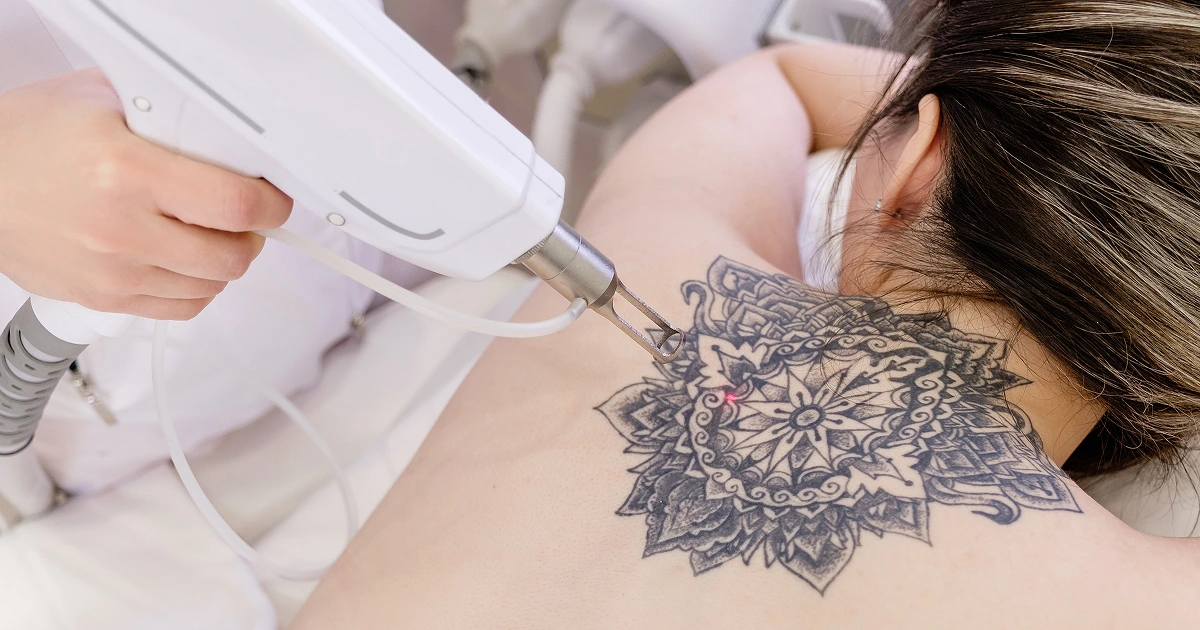
Laser tattoo removal uses focused light energy to break ink into tiny particles. Your body’s immune system gradually clears these particles over several weeks. The laser targets only the ink, leaving surrounding skin unharmed.

Modern systems like PicoWay are widely recognized for removing all ink colors effectively, including black, red, blue, and green. Extremely short pulses shatter ink particles without damaging surrounding tissue. This precision minimizes discomfort and helps protect healthy skin.

Each session produces gradual fading. Multiple treatments are typically required for complete removal, particularly for older tattoos or multicolored designs.

How Many Sessions Are Needed To Remove a Small Tattoo?

Small tattoos usually require three to eight sessions for complete removal. Sessions are spaced six to eight weeks apart to allow your body to naturally eliminate ink particles.

Factors influencing the number of sessions include:

  • Ink Color: Darker inks like black or navy fade faster. Lighter or pastel shades, including yellow, green, and turquoise, may need more sessions.
  • Tattoo Age: Older tattoos often respond more quickly as ink has naturally broken down over time.
  • Tattoo Depth and Quality: Professional tattoos have deeper, more uniform ink placement, while amateur tattoos may require adjusted techniques.
  • Location on the Body: Areas with strong blood flow, like upper arms or chest, may fade faster than extremities such as hands or ankles.
  • Skin Tone and Health: Higher contrast between ink and skin allows lasers to work efficiently. Overall wellness, hydration, and nutrition support the body’s ability to remove ink particles.

Your provider will give a personalized estimate during your consultation and monitor progress at each session to adjust the treatment plan as needed.

Benefits of Small Tattoo Removal

Removing a small tattoo offers a variety of advantages that make the process faster, safer, and more comfortable than larger or more complex tattoos.

Here are the main benefits you can expect from small tattoo removal:

  • Faster Fading and Noticeable Results: Because there is less ink to break down, small tattoos often fade more quickly, allowing you to see visible improvement after just a few sessions.
  • Minimal Downtime: Treatments are quick, usually only a few minutes per session, and recovery is easier to manage. You can resume most daily activities shortly after each appointment.
  • Reduced Discomfort: Smaller areas require less laser exposure, which often means less discomfort during treatment compared with larger tattoos.
  • Precision Targeting of All Ink Colors: Modern lasers like PicoWay effectively treat all common ink colors, including black, red, blue, and green, while protecting surrounding skin.
  • Preservation of Healthy Skin: The laser targets only ink particles, minimizing damage to your skin and reducing the risk of scarring.
  • Improved Confidence and Satisfaction: Removing unwanted ink restores your natural appearance, helping you feel more confident in both personal and professional settings.
  • Customizable Treatment Plans: Small tattoos allow your provider to tailor sessions to your skin type, ink color, and healing response, maximizing results while minimizing discomfort.

How to Prepare for Your Small Tattoo Removal

Proper preparation helps your body respond efficiently and ensures a smooth treatment experience. Before your session:

  • Schedule a Consultation: Discuss your tattoo’s size, color, and location, your goals, and any concerns about pain or healing.
  • Avoid Sun Exposure: Sunburned skin cannot be treated safely. Protect your tattooed area for at least two weeks before your session.
  • Stop Certain Medications: Blood-thinning medications or certain skin treatments may need to be paused. Consult your provider before adjusting medications.
  • Hydrate and Moisturize: Well-hydrated skin responds better to treatment. Moisturize the area daily in the week leading up to your session.
  • Plan Your Day: Sessions for small tattoos are quick, but having time to relax afterward and follow aftercare instructions helps healing.

What to Expect During Treatment

Laser tattoo removal is a gradual process designed to fade your tattoo while protecting your skin.

Preparation: The area is cleansed and numbed if necessary. Protective eyewear is provided, and cooling devices or cold air may be used to minimize discomfort.

Laser Treatment: Short pulses of light target the ink. Small tattoos often take only a few minutes per session. Clients often describe the sensation as quick snaps similar to a rubber band hitting the skin. The treatment focuses on the ink while preserving surrounding skin.

Between Sessions: Redness, swelling, or a frosted appearance is normal and temporary. Sessions are spaced six to eight weeks apart to allow natural removal of ink particles. Progressive fading is visible after each session, and your provider may adjust the plan for best results.

Aftercare for Optimal Healing

Proper aftercare is essential for protecting your skin and supporting fading between sessions:

  • Keep the treated area clean and moisturized.
  • Avoid picking, scratching, or rubbing the skin.
  • Limit direct sunlight and use SPF 30 or higher.
  • Avoid vigorous exercise that causes excessive sweating in the treated area.
  • Follow any additional instructions from your provider.

These steps ensure maximum ink removal while preserving your skin’s natural appearance.

The Results of Small Tattoo Removal

After completing your treatment plan, small tattoos often leave behind clear, natural-looking skin. While fading happens gradually, the final results are rewarding both visually and emotionally.

  • Restored Skin Appearance: The treated area blends seamlessly with surrounding skin, with minimal chance of scarring or discoloration.
  • Long-Term Confidence: Free from unwanted ink, many clients feel more confident in personal and professional situations.
  • Improved Flexibility: Clear skin allows for new tattoo designs or simply enjoying smooth, unmarked skin.
  • Satisfaction with Results: With personalized treatment and careful healing, the outcome is predictable and long-lasting.

Following your specialist’s aftercare guidance ensures these results are achievable while keeping your skin healthy and protected.

Why Alternatives to Laser Tattoo Removal May Not Work

While laser removal is the most effective and safest method, some people explore other options:

  • Topical Creams: Often ineffective and may irritate skin or cause uneven fading
  • Dermabrasion: Involves mechanically removing layers of skin and can cause scarring or pigment changes
  • Surgical Excision: Effective for very small tattoos but invasive and may leave noticeable scars
  • Saline or Chemical Removal: Less precise and results can be unpredictable

Laser removal remains the preferred method because it targets ink without damaging surrounding skin and can be customized for any tattoo size, color, or location.

Choosing the Right Tattoo Removal Specialist

The provider you choose is critical for safe and effective results. Look for:

  • Certified professionals trained in laser tattoo removal
  • Experience treating different ink colors, depths, and skin types
  • Use of modern lasers such as PicoWay for fast and precise results
  • Transparent information on the number of sessions, costs, and realistic timelines
  • Comprehensive aftercare support and patient-focused care

At Calista Skin & Laser, our team combines extensive experience, advanced laser technology, and personalized care to ensure your small tattoo removal is safe, effective, and tailored to your unique skin type and tattoo. From the initial consultation to post-treatment guidance, we prioritize comfort, results, and your confidence every step of the way. Choosing a trusted provider like Calista gives you peace of mind and maximizes the chances of a smooth, successful outcome.

Begin Your Path to Small Tattoo Removal Near You in Colleyville, TX

Small tattoos can often be removed safely and effectively with modern laser systems. Results typically appear gradually, and following a personalized treatment plan helps ensure the best outcomes. Laser tattoo removal is minimally invasive, promotes healing, and preserves your skin’s natural look.

As a leading provider of tattoo removal in Colleyville, TX, Calista Skin and Laser is proud to serve the Dallas-Fort Worth area. If you are ready to remove a small tattoo and regain clear skin, schedule a consultation by calling (817) 488-3838 today. Our expert team will create a customized treatment plan and guide you through each step of the process.